Continuous Glucose and Ketone Monitoring:Why It Matters for Ketogenic Therapy

"New device can help people with diabetes detect warning signs of a dangerous complication before it becomes a medical emergency"
A first for ketone monitoring
On 25 August 2026, the US Food and Drug Administration (FDA) authorised Abbott's Libre
Duo 10 Day Continuous Dual Glucose Ketone Monitoring System for people with diabetes
aged two years and older. It is the first wearable device in the United States to
continuously monitor ketones, and the first device in the world to continuously monitor
ketones and glucose together.
The headline use is diabetes: the device can warn people about rising ketones before
diabetic ketoacidosis (DKA), a dangerous complication, becomes a medical emergency.
But this technology matters well beyond diabetes, and especially for those of us using
ketogenic metabolic therapy (KMT) for mental health.
How the device works
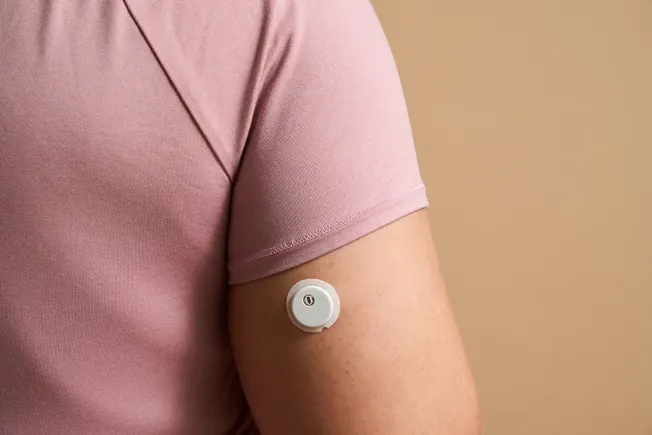
A small sensor worn on the body measures glucose and ketone concentrations in
interstitial fluid (the fluid just beneath the skin) every minute, for up to 10 days. The
readings are sent to a compatible smartphone.
Users can see their current values and whether glucose and ketones are rising or falling.
The device can also issue an alert when ketones reach a concerning level.
The evidence behind it
The FDA's decision was based on six clinical studies involving more than 600 participants.
According to the FDA, the device accurately tracked clinically meaningful changes in
ketone levels across its 10-day wear period, including the rise in ketones that comes
before DKA.
The FDA also notes that ketone readings should be interpreted alongside glucose
readings and symptoms, rather than as a standalone number.
Why this is a big deal
In authorising this device, the FDA is recognising that ketones are clinically meaningful
enough to monitor continuously, rather than treating them only as an occasional lab or
finger-prick measurement. This turns ketones into something like glucose already is with
continuous glucose monitoring: a biomarker we can follow over time.
What does this mean in simple terms?
Ketones become dynamic. Instead of a single snapshot, we can see how ketone levels
move throughout the day and night.
We can see glucose and ketones working together. The relationship between the two
becomes visible in real time.
Research gets better. Continuous data could substantially improve how ketogenic
clinical trials are designed and measured.
Beyond diabetes: why this matters for mental health
This device has been authorised for people with diabetes, but a dual glucose and ketone
monitor would be just as valuable for people using ketogenic metabolic therapy to
support their mental health.
In KMT, glucose and ketones are the two numbers that tell us how someone's metabolism
is responding to the therapy. Seeing both together, continuously, would help people and
their practitioners understand what is happening across the whole day, not just at one
moment.
The problem with testing today
Right now, most people check their glucose and ketones once a day, at a single time point.
We don't have continuous readings, so we end up basing decisions for the whole day on
one number.
The alternative is testing several times a day. That gets expensive, leaves people with sore
fingers, and can make things more confusing rather than less. The later in the day you
test, the more factors there are to account for, such as meals, stress, sleep and activity.
Without professional support and guidance, this can quickly become overwhelming.
What current monitors can and can't tell us
In my experience, and that of people in my programs, the tools available today each
give us part of the picture.
Continuous ketone monitors (CKMs) are useful, but they mainly give us a trend line. They
can point to where certain foods, stressors or other factors may be lowering ketones.
What they don't yet give us are accurate beta-hydroxybutyrate (BHB) numbers that we
can rely on throughout the day.
Continuous glucose monitors (CGMs) give us real glucose readings in real time. But
without ketones alongside them, they only tell half of the story. We can't compare the two
to decide how to navigate the rest of the day.
What we really want, and what's next
What we really need is accurate BHB and accurate glucose levels at any point across the
day. One day, these devices might even calculate the glucose ketone index (GKI), as Keto-
Mojo meters already do.
The Libre Duo 10 Day is a real step in the right direction. Abbott plans to launch it in the US
later this year, and I'm looking forward to trying it out with the people in my programs.
Useful Links & Sources
If you’d like, you can visit and read the news release here:

More information on the FDA approval of dual sensors.
Further information on the FDA decision to approve the use of dual measurement tools.

If you want to make sure you are eating the right foods for ketogenic metabolic therapy, you can start here:
At IKRT, we offer a range of programs designed to educate and support you in ketogenic metabolic therapy. If you are interested in learning more, please visit:


